A Minimum Cash Balance Deserves Covenant Treatment
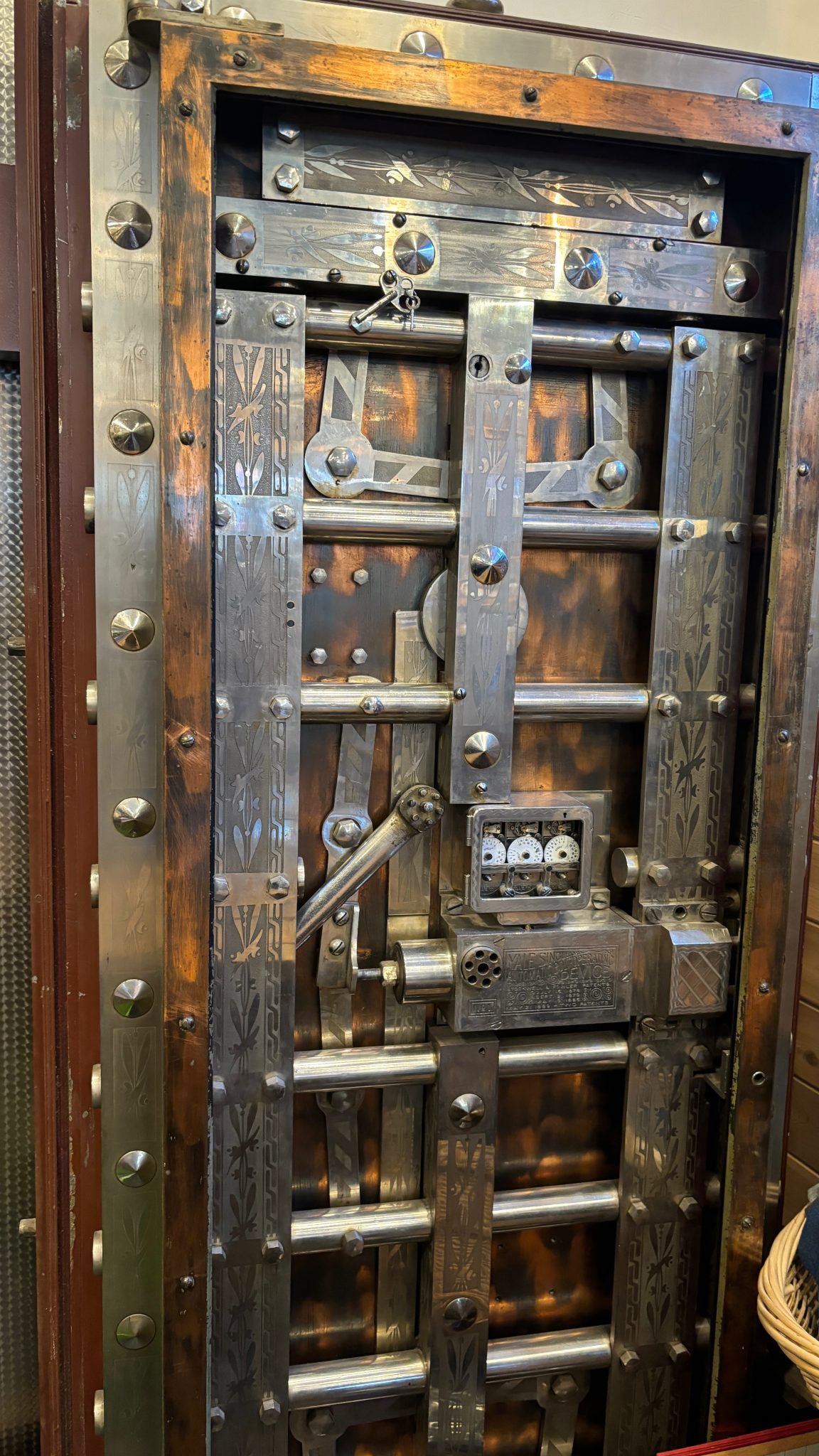
A treasurer at a private energy company I have worked with used to spend the last day of every month moving small amounts of cash between accounts to keep every one of them barely positive. Nothing was wrong with the business that month. The habit was just older than anyone in the room, and nobody had ever written down the number it was actually protecting.
Rosser Newton is my name, and I have sat across the table from a version of that treasurer more times than I can count, in companies that were otherwise well run and carefully managed in every other respect.
A bank covenant exists because a lender wrote a number into a document and attached real consequences to crossing it. A minimum cash balance an owner keeps only in his head has none of that architecture. It moves whenever the owner feels good about the quarter.
It shrinks the first time somebody needs the money for something that feels urgent enough, and it disappears entirely the moment the person who set it leaves the company.
I think a private energy company should treat its own minimum cash balance the same way a bank treats a covenant, a point the Corporate Finance Institute lays out plainly in its overview of how lenders use financial covenants to manage risk. Write the number down, and state the consequence of falling below it in advance, before a real month forces the decision under pressure.
Test it every month the way a lender tests a covenant, on a fixed schedule, not when somebody happens to remember.
The number itself is less important than the discipline around it. Some companies need $500,000 sitting untouched to cover a bad month in the field, when a customer pays late and a crew still needs paying on time. Others, with steadier contracts and slower burn, can run closer to the edge and still sleep at night.
What matters is that the figure gets chosen deliberately, in a quiet month, by someone thinking clearly about the worst case rather than the current one. The Small Business Administration's own guidance on managing finances makes the same point in plainer language, that a company without a clear picture of its cash position is making every other decision blind.
I set the number the way I would build any covenant test. Take the worst single month the company has actually lived through, not the worst month anyone can imagine, and add a margin on top of it. A worst month that already happened carries a kind of authority a hypothetical never quite earns.
The board reviews the figure once a year, in the same meeting that reviews the bank's own covenant package, so the two habits reinforce each other instead of living in separate conversations that nobody connects.
A minimum balance written down also changes how a management team talks to its own bank. A lender who sees an internal floor tested every month, with a clean record of the testing, reads a company as one that manages itself the way the lender wishes every borrower did. That reputation is worth more at renewal time than any single quarter of numbers, and it is earned slowly, one clean test at a time.
The Discipline Costs More In A Good Year
Here is where the idea gets tested, and where most of these floors quietly die. In a strong year, cash sitting untouched above the floor draws constant argument. A field supervisor wants two more trucks.
A partner wants a distribution before the tax bill comes due. Everyone in the room can name a use for the money that beats the passive comfort of a balance nobody is spending on anything at all.
Holding the line in that room costs real goodwill. I have made the argument for a minimum balance to owners who were not losing money, who were in fact having their best year in a decade. They heard the position as caution dressed up as prudence.
Sometimes it is exactly that. A floor set too high just parks capital that could have gone to work building the business instead of sitting idle in an account.

The honest answer is that the floor is not a moral position. It is a bet about how bad a bad month can get, made by someone who has watched a few of them arrive without warning. A service company can lose a major contract inside a single quarter.
A commodity swing can cut revenue in half before anyone finishes updating the forecast. The floor exists for the version of the business that has not shown up yet, which is exactly why it is so easy to argue against in the year it never does.
The floor exists for the version of the business that has not shown up yet, which is exactly why it is so easy to argue against in the year it never does.
I have watched a company treat its cash floor with the same seriousness it gave its bank covenants, testing it monthly and reporting a breach to the board the same day it would have reported a covenant breach. That discipline carried the company through a downturn that would otherwise have forced a hurried sale of equipment at a bad price.
I wrote about a related failure in an earlier piece, on the deferred maintenance a company quietly borrows against itself, and the two habits share the same root. Neither one shows up on a normal financial statement until the day it does, and by then the choice is no longer a choice.
I have also watched a different company set a floor nobody enforced, and spend below it in a good year because nothing bad happened right away. It discovered the gap only when the bad month actually arrived and the number that was supposed to be there simply was not.
The floor belongs on the same page as the covenant calculations, reviewed at the same meeting, with the same person accountable for explaining a breach out loud. A board that already tracks a leverage ratio or a fixed charge coverage ratio has the muscle memory for this.
The only new habit is writing the internal number down and holding it to the same standard as the one the bank already wrote.
A minimum cash balance treated this way does something a bank covenant alone cannot. It protects the company from itself in the exact window when a lender's covenant has the most slack, the good years, when the balance sheet looks fine on paper.
The discipline is the only thing standing between an owner and a decision he will regret in eighteen months. The lender is not watching closely in a good year. Somebody still has to be.
Rosser Newton is how I sign the memos where I have made this argument, usually after watching a company get it wrong the expensive way first.


Comments
Post a Comment